- Home
- City Departments
- Public Works
- Current Public Works Projects
Current Public Works Projects
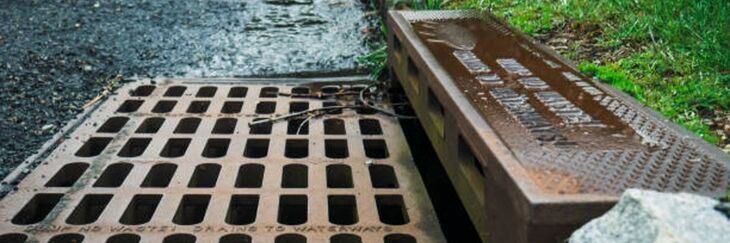 County Service Area 152 (CSA 152) Storm Water Assessments
Learn more about how the possible reinstatement of the 1994 Resolution CSA 152 can support Banning's environmental compliance efforts. Your input matters as we explore ways to offset mandatory storm water costs in our city.
CLICK HERE FOR THE FULL PROJECT
-------------------------------------------
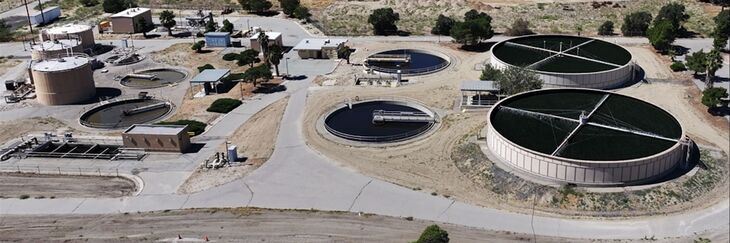 Wastewater Treatment Plant Upgrade Project
In the pursuit of continuous development and commitment to environmental stewardship, we're excited to shed light on the critical upgrade project for the City of Banning Wastewater Treatment Plant (WWTP), or as locally known, the Water Reclamation Facility. This essential infrastructure has been faithfully serving our community by ensuring the collection, treatment, and safe disposal of municipal sewage. Recent reviews have underscored the need for capacity and treatment improvements in alignment with Banning’s growth and our goal to introduce a recycled water supply.
CLICK HERE FOR THE FULL PROJECT
-------------------------------------------
 Banning Fueling Station
Design and construction are underway!
CLICK HERE FOR THE FULL PROJECT
-------------------------------------------
Making Water Conservation a Way of Life
Join us as we explore the future of water use in Banning, where new state regulations are reshaping our relationship with this essential resource, promoting conservation and helping us adapt to the impacts of climate change.
CLICK HERE FOR THE FULL PROJECT
-------------------------------------------
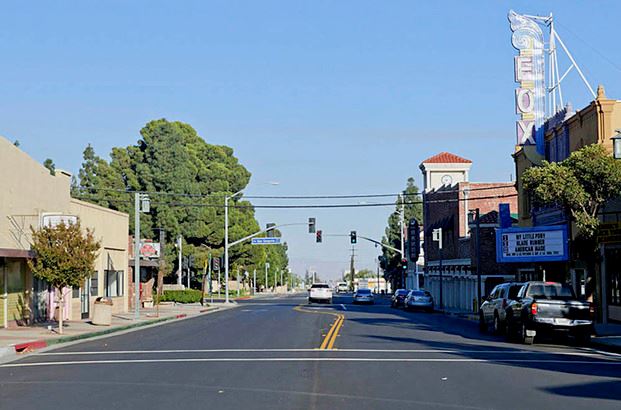 Banning Downtown Revitalization and Complete Streets
The City of Banning is developing a Banning Downtown Revitalization and Complete Streets Plan to improve mobility and the quality of life in the Downtown area.
CLICK HERE FOR THE FULL PROJECT
-------------------------------------------
Sun Lakes Boulevard Extension
Congestion Relief, Alternative Access
CLICK HERE FOR THE FULL PROJECT
-------------------------------------------
 Banning Active Transportation Plan
The City of Banning, through a grant with the Southern California Association of Governments (SCAG), is proud to be developing the City’s first Active Transportation Plan. An Active Transportation Plan is a strategic document that includes planning and recommendations to serve all users of public roadways. This includes bicycles, pedestrians, transit, and other non-motorized modes such as scooters, skateboards, and wheelchairs.